
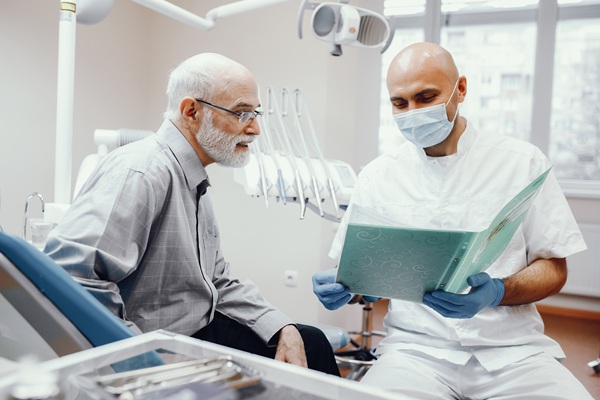
The risk of oral cancer increases with age. Adults over 60 are at higher risk due to long-term exposure to risk factors, natural tissue changes and medical conditions that affect immunity and healing. Early-stage oral cancer is often painless, which makes routine dental examinations critical for early detection.
Senior dental care includes structured oral cancer screening as part of regular checkups. Therefore, identifying tissue changes significantly improves treatment outcomes and reduces the likelihood of advanced disease.
Why Oral Cancer Risk Increases in Older Adults
Several age-related factors contribute to increased vulnerability:
1. Natural Tissue Changes
As the body ages, oral tissue becomes thinner and may heal slower. These changes allow abnormalities to develop easily and they are less noticeable in early stages.
2. Long-Term Exposure to Risk Factors
Oral cancer risks reflect cumulative exposure over time. Contributing factors may include:
- Past or current tobacco use
- Regular alcohol consumption
- Prolonged sun exposure to lips
Even habits that were discontinued decades earlier may influence long-term risk.
3. Dry Mouth due to Medication
Many older adults take medications for blood pressure, heart disease, diabetes, or arthritis. A common side effect is dry mouth (xerostomia), which reduces natural cleansing and increases chronic tissue irritation.
4. Medical Conditions
Conditions that affect immune response or systemic health may reduce the body’s ability to detect and repair abnormal cellular changes.
Understanding these factors reinforces why structured dental checkups are essential.
How Senior Dental Care Supports Early Detection
Oral cancer screening is a routine part of comprehensive dental exams for older adults.
During screening, the dentist evaluates:
- Lips
- Cheeks
- Tongue (top, sides, and underside)
- Floor of the mouth
- Gums
- Roof of the mouth
- Throat region
Visual examination is combined with gentle palpation of the jaw and neck to identify unusual firmness or swelling. The process is brief, non-invasive, and typically completed during a standard checkup.
Since early changes may not cause pain, professional screening remains the most reliable method of detection.
Early Signs Seniors and Families Should Monitor
Oral cancer often begins with subtle changes. Prompt evaluation is recommended if any of the following persist beyond two weeks:
- A sore that does not heal
- A white, red, or mixed-color patch
- A thickened area or lump
- Persistent hoarseness
- Difficulty swallowing
- Numbness in the lips or tongue
These symptoms do not confirm cancer, but they warrant clinical assessment.
Importance of Annual Oral Cancer Screening
Routine dental screening offers reassurance and professional guidance. Seniors typically manage multiple medical appointments, and dental care may be low priority. However, oral cancer can progress without visible discomfort.
Regular dental visits allow:
- Early identification of suspicious lesions
- Monitoring dry mouth complications
- Evaluation of denture-related irritation
- Differentiating benign conditions from concerning changes
Dental Screening also helps identify non-cancerous conditions such as fungal infections, trauma from ill-fitting dentures, or inflammatory lesions.
Supporting Oral Health and Reducing Dental Risks in Seniors
While not all oral cancers can be prevented, certain measures may help reduce risk and support tissue health:
- Maintaining regular dental checkups
- Staying adequately hydrated
- Managing medication-related dry mouth
- Ensuring dentures fit properly
- Using lip protection when outdoors
- Avoiding tobacco use
Consistent monitoring remains the most effective strategy for good, long-lasting oral health.
When Should Seniors Seek Immediate Dental Care?
Seniors should contact Britannia Mississauga Dental promptly if:
- A sore persists beyond two weeks
- Bleeding occurs without injury
- Swelling increases rapidly
- Pain develops in the mouth without a clear cause
Timely evaluation improves diagnostic accuracy and treatment planning.
Proactive Oral Cancer Screening for Supportive Senior Dental Care
Oral cancer often develops gradually and without early signs. For older adults, structured dental examinations provide an essential safeguard through consistent monitoring and early detection.
At Britannia Mississauga Dental (Dr. Beena George Dentistry), senior dental care includes oral cancer screening as part of routine dental checkups. To arrange an examination or discuss concerns, contact the clinic at 905-542-9999.
Frequently Asked Questions
1. Are seniors automatically at high risk for oral cancer?
Age increases risk, but not all seniors will develop oral cancer. Risk depends on cumulative exposure to contributing factors and overall health status.
2. Is oral cancer screening painful?
No. Screening involves visual inspection and gentle palpation. It is non-invasive and completed during a routine exam.
3. How often should seniors receive oral cancer screening?
Annual screening is recommended. Individuals with a history of tobacco use, heavy alcohol use, or chronic dry mouth may require frequent monitoring.
4. Can oral cancer resemble other conditions?
Yes. Denture irritation, fungal infections, and inflammatory lesions can mimic early signs of oral cancer. Professional evaluation ensures accurate diagnosis.
5. Does dry mouth increase oral cancer risk?
Chronic dry mouth contributes to tissue irritation and reduced natural cleansing. While not a direct cause, it may increase vulnerability to abnormal changes over time.
Excellent article! The focus on oral cancer awareness and preventive dental care for seniors is very valuable. Regular screenings and routine checkups can help with early detection and better long-term oral health. Anyone looking for trusted dental services Orange NJ can benefit from these important oral health insights.
Yogi Dental – Dental Service Orange NJ
Found this site by accident and now it is my go to for daily sports updates and betting options. The odds are fair and withdrawals go through without any unnecessary delays. Really appreciate the straightforward approach they take with their users. sorti365
Every visit feels like opening a gift box full of surprise games and generous rewards. The interface welcomes you with open arms and the VIP perks actually make life easier. I keep coming back because it truly treats players like gold. cobwincasino
Greetings from the islands! I have been looking for a reliable betting site for years and finally found my favorite place to play. The VIP treatment is real and I always feel like a queen when I log in. Grab your seat before the rounds fill up at jilitttvip
Really impressed with the cash-in and cash-out speed. No long waiting times which is exactly what I need. nustargcashlogin is the way to go.